Sleep is essential for overall health, but many people underestimate how deeply it affects eye health and vision. In today’s fast-paced lifestyle, late-night screen usage, work stress, irregular sleep schedules, and poor sleep quality have become common. While most people associate lack of sleep with fatigue or poor concentration, few realize that poor sleep can significantly impact vision and long-term eye health.
Your eyes work continuously throughout the day, processing light, movement, and information. Sleep is the time when your eyes rest, repair, and recover. When this recovery period is disrupted, the effects are often visible in the form of eye discomfort, vision disturbances, and even serious eye conditions if ignored over time.
This blog explores how poor sleep affects your vision, the symptoms to watch out for, and how improving sleep quality can protect your eyes.
The Connection Between Sleep and Eye Health
During sleep, your body performs essential repair and regeneration processes. This includes the eyes. Adequate sleep helps:
- Restore tear balance
- Relax eye muscles
- Reduce eye strain
- Maintain optic nerve health
- Support brain-eye coordination
When sleep is insufficient or disturbed, these processes are compromised. Over time, chronic sleep deprivation can lead to both temporary and permanent vision problems.
Common Eye Problems Caused by Poor Sleep
1. Dry Eyes and Irritation
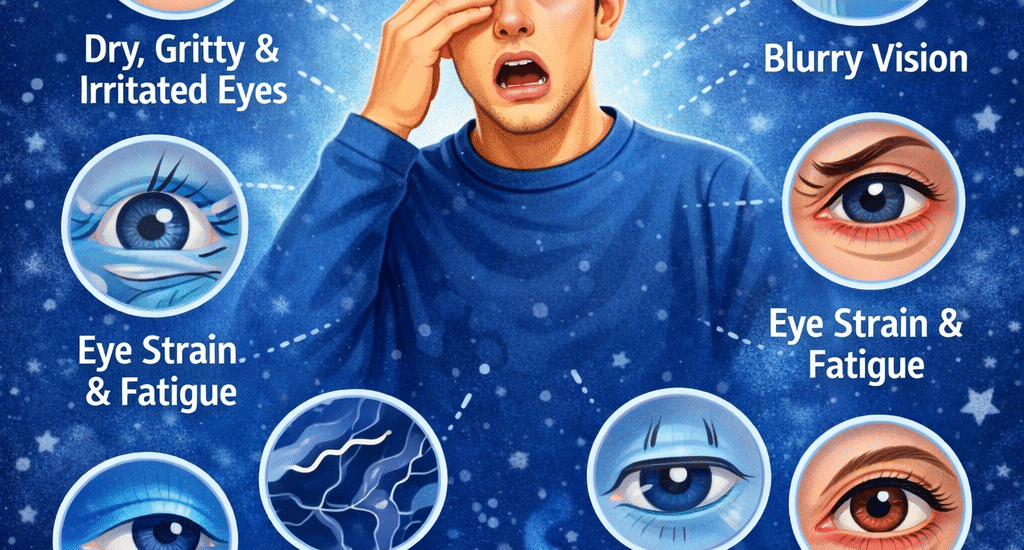
One of the earliest and most common effects of poor sleep is dry eye syndrome. Sleep deprivation reduces tear production and disrupts tear film stability, leading to:
- Dryness
- Burning sensation
- Grittiness
- Redness
- Sensitivity to light
People who sleep late, use screens at night, or suffer from insomnia are at a higher risk of dry eyes. Inadequate sleep also affects blinking patterns, further worsening dryness.
2. Eye Strain and Fatigue
Lack of sleep causes eye muscles to remain tense and overworked. This leads to:
- Eye fatigue
- Aching eyes
- Difficulty focusing
- Headaches
When tired, the eyes struggle to maintain clear focus, especially during reading, screen use, or driving. This condition is often referred to as asthenopia or eye strain.
3. Blurred Vision
Blurred vision after poor sleep is common and usually temporary. It occurs because tired eyes struggle to focus properly, and tear imbalance affects clarity.
However, frequent blurred vision due to chronic sleep deprivation should not be ignored, as it may indicate underlying issues such as:
- Dry eye disease
- Eye muscle fatigue
- Neurological strain
4. Eye Twitching (Myokymia)
Eye twitching is a harmless but annoying condition often triggered by:
- Lack of sleep
- Stress
- Excess caffeine
Sleep deprivation overstimulates eye nerves, leading to involuntary eyelid twitching. While usually temporary, persistent twitching may require medical attention.
5. Red Eyes and Dark Circles
Poor sleep affects blood circulation, causing blood vessels in the eyes to dilate. This leads to:
- Red or bloodshot eyes
- Puffy eyelids
- Dark circles
While often considered cosmetic issues, they are visible signs of eye stress and fatigue.
Serious Vision Risks Linked to Chronic Poor Sleep
6. Increased Risk of Glaucoma
Studies suggest that poor sleep quality, especially sleep apnea and irregular sleep patterns, may increase the risk of glaucoma, a condition that damages the optic nerve.
Sleep disturbances can affect eye pressure and blood flow to the optic nerve, increasing the risk of vision loss if left untreated.
7. Worsening of Diabetic Eye Disease
For people with diabetes, poor sleep can worsen blood sugar control, increasing the risk of diabetic retinopathy. Sleep deprivation causes inflammation and vascular stress, which can damage retinal blood vessels.
8. Impact on Brain–Eye Coordination
Vision is not just about the eyes; it involves the brain. Sleep plays a crucial role in visual processing, depth perception, and reaction time.
Poor sleep can result in:
- Delayed visual responses
- Reduced contrast sensitivity
- Difficulty with night vision
- Increased risk of accidents
This is especially dangerous for drivers and people working in visually demanding professions.
How Sleep Disorders Affect Vision
Sleep Apnea and Eye Health
Sleep apnea causes repeated interruptions in breathing during sleep, reducing oxygen supply. This condition has been linked to:
- Glaucoma
- Optic nerve damage
- Dry eyes
- Floppy eyelid syndrome
People with loud snoring, daytime sleepiness, or frequent night awakenings should consult both a sleep specialist and an eye doctor.
The Role of Screens and Blue Light
Excessive screen use before bedtime is a major contributor to poor sleep. Blue light emitted from phones, laptops, and TVs:
- Suppresses melatonin (sleep hormone)
- Delays sleep onset
- Causes digital eye strain
This creates a vicious cycle where poor sleep worsens eye problems, and eye strain further disrupts sleep.
How Much Sleep Do Your Eyes Need?
Most adults require 7–8 hours of quality sleep per night for optimal eye health. Children and teenagers need even more, as their eyes and visual systems are still developing.
Consistent sleep schedules are just as important as sleep duration.
Tips to Improve Sleep and Protect Your Vision
1. Maintain a Regular Sleep Schedule
Go to bed and wake up at the same time every day.
2. Reduce Screen Time Before Bed
Avoid screens at least one hour before sleep.
3. Practice the 20-20-20 Rule
Reduce eye strain during the day to improve nighttime comfort.
4. Keep Your Bedroom Eye-Friendly
Use dim lighting and avoid dry air.
5. Stay Hydrated
Proper hydration supports tear production.
6. Limit Caffeine and Alcohol
Both disrupt sleep quality and worsen dry eyes.
7. Use Lubricating Eye Drops
Especially helpful for people with dry eyes or long screen exposure.
8. Get Regular Eye Check-Ups
Early detection prevents long-term damage.
When to See an Eye Doctor
You should consult an eye specialist if you experience:
- Persistent blurred vision
- Severe dryness or burning
- Frequent eye twitching
- Redness or pain
- Vision changes linked to poor sleep
Timely diagnosis ensures proper treatment and protects long-term vision.
Conclusion
Sleep is not a luxury—it is a necessity for healthy vision. Poor sleep affects the eyes in multiple ways, from dryness and eye strain to increased risk of serious eye diseases. In a world driven by screens and late nights, prioritizing sleep is one of the simplest yet most powerful ways to protect your eyesight.
By improving sleep habits and seeking timely eye care, you can reduce discomfort, enhance visual clarity, and preserve your vision for years to come. Remember, healthy sleep leads to healthy eyes.