Introduction
In today’s digital world, exposure to screens has become unavoidable. From smartphones and laptops to LED lighting and televisions, we are constantly surrounded by artificial light sources—many of which emit what is known as blue light. This has sparked growing concern about whether blue light is damaging our eyes and affecting our long-term vision.
But how much of this concern is real, and how much is exaggerated? Let’s explore the science, myths, and practical steps you can take to protect your eyes. Is Blue Light Really Harmful to Your Eyes? Expert Guide
What Is Blue Light?
Blue light is part of the visible light spectrum, which the human eye can see. It has a short wavelength and high energy, making it different from other colors of light.
Common Sources of Blue Light:
- Sunlight (the biggest natural source)
- Smartphones and tablets
- Computer screens
- LED and fluorescent lighting
- Television screens
Interestingly, sunlight emits far more blue light than digital screens. However, the concern arises because of prolonged exposure to screens at close distances.
How Does Blue Light Affect Your Eyes?
1. Digital Eye Strain
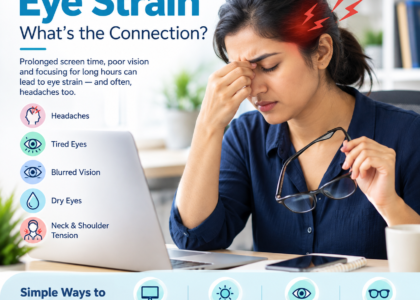
One of the most common effects of prolonged blue light exposure is digital eye strain, also known as Computer Vision Syndrome.
Symptoms include:
- Dry eyes
- Blurred vision
- Headaches
- Eye fatigue
- Neck and shoulder pain
This doesn’t happen solely because of blue light—it’s mainly due to reduced blinking and continuous focus on screens.
2. Impact on Sleep Cycle
Blue light plays a significant role in regulating your sleep-wake cycle (circadian rhythm). Exposure to blue light at night can suppress the production of melatonin, the hormone responsible for sleep.
Result:
- Difficulty falling asleep
- Poor sleep quality
- Daytime fatigue
This is why using your phone or laptop late at night can disrupt your sleep.
3. Potential Long-Term Eye Damage
There has been ongoing debate about whether blue light contributes to serious eye conditions like macular degeneration.
- Some laboratory studies suggest that high-energy blue light could damage retinal cells.
- However, current research has not conclusively proven that normal screen exposure causes permanent eye damage.
👉 In simple terms:
There is no strong evidence yet that blue light from screens leads to blindness or major vision loss.
Common Myths About Blue Light
❌ Myth 1: Blue Light Causes Permanent Eye Damage
There is no solid scientific proof that everyday screen use causes irreversible damage to the retina.
❌ Myth 2: Blue Light Is the Main Cause of Eye Strain
Eye strain is more related to:
- Long screen time
- Poor posture
- Reduced blinking
❌ Myth 3: Blue Light Glasses Are Mandatory
While helpful for some people, they are not essential for everyone.
When Should You Be Concerned?
You should take blue light seriously if you:
- Use screens for more than 6–8 hours daily
- Work late at night on digital devices
- Experience frequent headaches or eye discomfort
- Have trouble sleeping
For people working in IT, design, or digital marketing (like many professionals today), managing screen exposure is crucial.
Practical Tips to Protect Your Eyes
👁️ Follow the 20-20-20 Rule
Every 20 minutes, look at something 20 feet away for at least 20 seconds.
💻 Adjust Screen Settings
- Reduce brightness
- Increase text size
- Use night mode or blue light filters
👓 Use Blue Light Blocking Glasses
These glasses filter a portion of blue light and may help reduce strain, especially for heavy screen users.
🌙 Avoid Screens Before Bed
Try to stop using devices at least 1 hour before sleep to maintain healthy melatonin levels.
💧 Keep Your Eyes Moisturized
Blink more often or use artificial tears if needed to avoid dryness.
🪑 Maintain Proper Posture
- Keep screen at eye level
- Maintain proper distance (about 20–24 inches from your eyes)
Are Children More at Risk?
Yes, children may be more sensitive to blue light because:
- Their eyes absorb more light
- They often spend long hours on mobile devices
Parents should:
- Limit screen time
- Encourage outdoor activities
- Ensure proper lighting conditions
Blue Light vs Natural Light: What’s the Difference?
While digital devices emit blue light, natural sunlight is still the largest source. In fact:
- Moderate exposure to sunlight is beneficial
- It helps regulate sleep cycles
- It supports overall eye development in children
The problem is not blue light itself—but how and when we are exposed to it.
What Do Eye Specialists Say?
Most eye care professionals agree on this:
👉 Blue light is not inherently dangerous, but
👉 Excessive screen use without breaks is harmful
So the focus should be on:
- Healthy screen habits
- Regular eye check-ups
- Proper ergonomics
When Should You Visit an Eye Hospital?
Consult an eye specialist if you experience:
- Persistent eye strain
- Frequent headaches
- Blurred or double vision
- Difficulty focusing
- Sleep disturbances related to screen use
Early diagnosis can prevent minor issues from becoming serious problems.
Final Verdict: Is Blue Light Harmful?
✔️ Yes — in terms of:
- Eye strain
- Sleep disruption
❌ No — in terms of:
- Proven permanent eye damage (based on current evidence)
Conclusion
Blue light is a natural part of our environment and not something to fear. However, in the modern digital age, overexposure—especially at night—can impact your eye comfort and sleep quality.
The real solution isn’t avoiding screens completely, but using them smartly.
By adopting simple habits like taking breaks, reducing nighttime exposure, and maintaining proper screen ergonomics, you can protect your eyes and maintain long-term visual health.